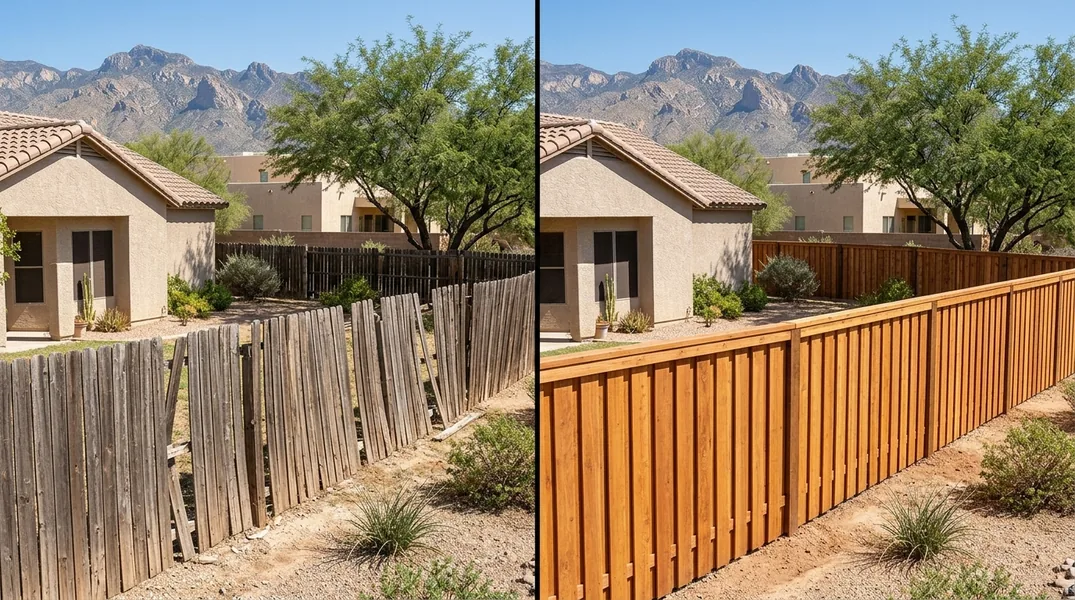
Understanding Tucson's Desert Climate and Fence Materials
Tucson homeowners face a unique challenge when selecting fence materials. The desert climate brings intense UV radiation, extreme temperature swings, low humidity, and occasional heavy monsoon rains. These environmental factors dramatically affect how wood and vinyl fencing perform over time. When you're investing in a fence for your property, understanding how each material responds to Tucson's specific conditions is essential to making an informed decision.
The choice between wood and vinyl isn't just about aesthetics or initial cost. It's about understanding which material will maintain its integrity, appearance, and function throughout the years you own your home. Both materials have genuine advantages and real drawbacks in the desert Southwest. By comparing them honestly, you can select the fence type that truly matches your lifestyle, budget, and long-term expectations.
Wood Fencing: Traditional Beauty Meets Desert Challenges
Wood & Privacy Fence Installation has been a popular choice for decades because it offers natural beauty, excellent privacy, and customizable design options. Wood fences can be stained or painted in virtually any color, and they blend seamlessly with most architectural styles. For homeowners who value the warmth and character of natural materials, wood remains an attractive option.
However, wood in Tucson's desert environment faces significant challenges. The intense Arizona sun causes wood to fade, crack, and warp over time. UV rays break down the wood fibers and any protective stain or sealant applied during installation. Additionally, the dry desert air pulls moisture from the wood, causing it to become brittle and more susceptible to damage. While Tucson doesn't experience the freeze-thaw cycles that plague northern states, our occasional heavy rains followed by extended dry periods create their own form of stress on wooden fences.
Termites and wood-boring insects are another concern specific to Arizona properties. Even treated wood can become vulnerable as protective treatments wear away over the years. Homeowners who choose wood must commit to regular maintenance, including resealing every two to three years and inspecting for pest damage annually. This ongoing maintenance requirement is a critical factor when considering the true long-term cost of wood fencing.
Vinyl & PVC Fencing: Low Maintenance in the Desert
Vinyl & PVC Fence Installation has gained significant popularity in recent years, particularly in desert climates like ours. Vinyl is a synthetic material that doesn't absorb water, won't rot, and is immune to insect damage. It won't crack, warp, or splinter the way wood does, making it genuinely low maintenance for homeowners who want to install a fence and forget about it.
The desert's intense UV radiation does affect vinyl, but modern vinyl formulations include UV inhibitors and stabilizers that help resist fading and degradation. Quality vinyl fences maintain their appearance far better than wood over a ten to fifteen year period in Tucson's climate. Cleaning is simple: just rinse with a garden hose occasionally to remove dust and pollen. Unlike wood, vinyl requires no staining, sealing, or painting. For busy homeowners or those who prefer not to spend weekends on fence maintenance, vinyl offers genuine peace of mind.
Vinyl does have limitations worth considering. It's less customizable than wood in terms of color options, though manufacturers now offer several attractive choices. Vinyl can become brittle in extreme cold (though this is rarely an issue in Tucson), and some homeowners feel it lacks the natural aesthetic of wood. Additionally, vinyl fencing typically costs more upfront than wood, though the lower maintenance costs often balance this over time.
Best Low Maintenance Fence Material: Vinyl Takes the Crown
When evaluating the best low maintenance fence for Tucson homeowners, vinyl emerges as the clear winner. The maintenance difference between wood and vinyl is substantial and directly impacts your quality of life. With wood, you're committing to regular inspections, resealing, potential stain or paint touch-ups, and pest monitoring. With vinyl, your primary responsibility is occasional rinsing and visual inspection for damage.
This maintenance advantage becomes even more significant if you travel frequently, have a busy work schedule, or simply prefer to spend your free time on activities other than fence maintenance. Over a fifteen-year period, the cumulative time and money spent maintaining a wood fence in Tucson's climate can easily exceed the initial cost difference between wood and vinyl. For most homeowners, especially those planning to stay in their homes long-term, vinyl represents the best low maintenance fence option available.
Vinyl vs Wood Fence Cost: Initial Investment vs Long-Term Value
The vinyl vs wood fence cost comparison requires looking beyond the initial installation price. Wood fencing typically costs less upfront, making it attractive to budget-conscious homeowners. However, this lower initial price doesn't tell the complete financial story. When you factor in maintenance, repairs, and eventual replacement, the total cost of ownership often favors vinyl.
Wood fence maintenance costs add up quickly. Professional resealing runs between $500 and $1,500 depending on fence length and condition. If you do it yourself, you're investing significant time and effort. Repairs from UV damage, warping, or pest damage can range from a few hundred dollars for small sections to several thousand for extensive work. A wood fence typically lasts 10 to 15 years in Tucson's climate before requiring replacement. Vinyl fences, by contrast, often last 20 to 30 years with minimal maintenance costs. When you calculate the total cost over twenty years, vinyl frequently comes out ahead despite the higher initial investment.
To get an accurate pricing comparison for your specific property, Tucson Fence Company recommends getting detailed quotes from experienced installers. A professional assessment of your property, soil conditions, and specific needs will provide the most accurate cost projection. Contact Tucson Fence Company at (520) 351-0669 for a free estimate on either material option.
Making Your Decision: Which Fence Material is Right for You?
Choosing between wood and vinyl ultimately depends on your priorities, budget, and lifestyle. If you value natural aesthetics, enjoy DIY projects, and don't mind regular maintenance, wood can still be a viable choice. If you prioritize low maintenance, long-term value, and durability in Tucson's harsh desert environment, vinyl is the more practical option. Consider how long you plan to stay in your home, your tolerance for seasonal maintenance tasks, and your budget for both initial installation and future upkeep.
The team at Tucson Fence Company has installed thousands of fences throughout the region and understands the specific demands of desert living. Whether you're leaning toward Wood & Privacy Fence Installation or Vinyl & PVC Fence Installation, we can help you understand the pros and cons for your particular situation. We're here to answer your questions and help you make the best decision for your home and family. Reach out today at (520) 351-0669 or request a free estimate to discuss your fencing project with our experienced team.
Looking for a professional fence contractor in Tucson? Tucson Fence Company responds fast for all your fence needs.
Get a Free Quote