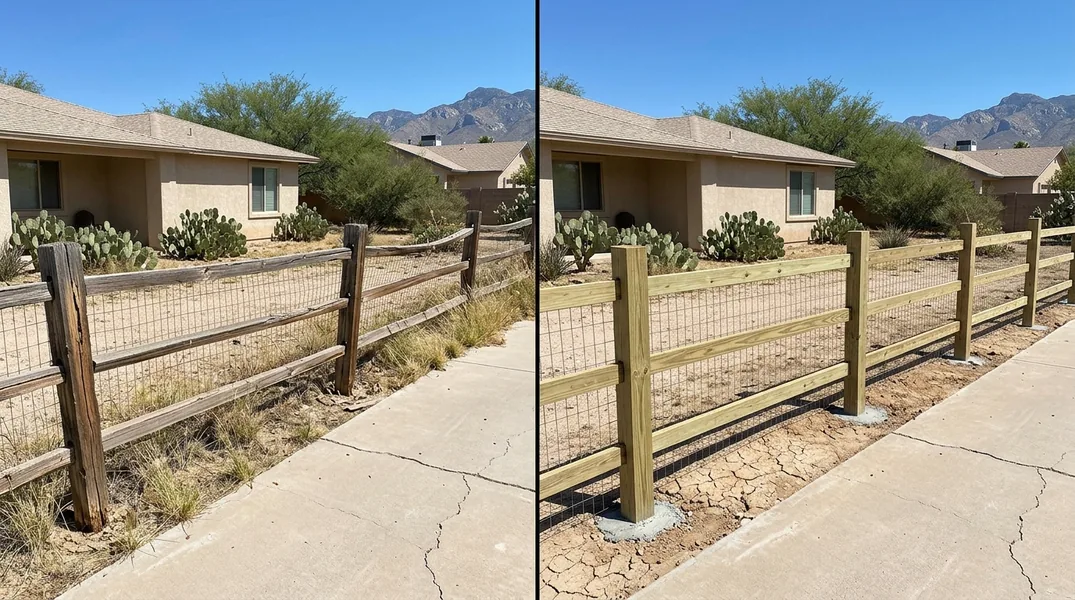
Understanding Arizona's Fence on Property Line Laws
One of the most common questions homeowners ask when planning a new fence is simple but crucial: who pays for it? In Arizona, the answer isn't always straightforward, and it depends on several factors including local ordinances, property line agreements, and whether the fence benefits one property or both. If you're a homeowner in Tucson considering a Wood & Privacy Fence Installation, understanding these laws can save you time, money, and neighborly conflict.
Arizona doesn't have a statewide statute that mandates cost-sharing for boundary fences. This means local city and county ordinances, as well as property deed restrictions, take precedence. In Tucson, fence regulations fall under the city's zoning and development code. Generally, if a fence is built on the property line and benefits both neighbors equally, Arizona courts have historically looked to the "good neighbor fence" principle, which suggests shared responsibility. However, if one neighbor wants a fence and the other doesn't, the initiating neighbor typically bears the full cost.
The Good Neighbor Fence Principle in Arizona
Arizona recognizes what's often called the "good neighbor fence" concept, though it's not formally codified in state law. This principle suggests that when a boundary fence benefits both properties equally and is built on the property line itself, both neighbors should share the cost fairly. The idea behind this approach is that a well-maintained fence on a property line serves both households by providing privacy, security, and property delineation. Many homeowners find this approach reasonable and neighborly, even though Arizona law doesn't require it.
The challenge with the good neighbor fence principle is that it requires agreement between neighbors. If your neighbor refuses to contribute, you have limited legal recourse in Arizona. You can build the fence at your own expense, but you cannot force your neighbor to pay. This is why clear communication before construction is essential. If you're planning a fence project in Tucson, consider discussing the project with your neighbor and proposing a cost-sharing arrangement. Many disputes can be avoided through honest conversation and written agreements about who pays what percentage of materials and labor.
Who Pays When the Fence Is on Your Property Only
If you want to build a fence that sits entirely on your property and doesn't cross the property line, you bear the full cost. This is straightforward under Arizona law: what happens on your land is your responsibility. Many homeowners choose to build fences slightly inside their property line for this exact reason. Even though your neighbor may benefit from the fence (gaining privacy or security), Arizona law doesn't obligate them to contribute financially if the fence is entirely within your boundaries.
This scenario is common in residential areas where neighbors want to maintain good relationships. You might build a privacy fence a few feet inside your property line, and while your neighbor enjoys the benefits, they don't have a legal obligation to pay. The pricing for such a project depends on fence type, materials, and size. Whether you choose Vinyl & PVC Fence Installation, Chain Link Fence Installation, or another style, the entire cost falls on you. If you'd like to discuss your specific situation and get accurate estimates, Tucson Fence Company can provide a free estimate for your project.
Neighbor Fence Law: When Disputes Arise
Despite best intentions, neighbor fence disputes do happen. In Arizona, if a disagreement arises about a fence on the property line, the first step is always to check your property deed and any homeowners association (HOA) rules if applicable. Your deed may contain specific language about boundary fences and shared maintenance responsibilities. Additionally, Tucson's city ordinances and any covenants, conditions, and restrictions (CC&Rs) on your property may address fence disputes directly. Before taking legal action, review these documents carefully.
If legal action becomes necessary, Arizona courts look at several factors: whether the fence was built on the actual property line, whether it benefits both properties equally, local custom and practice in your area, and whether there was any prior agreement between the neighbors. Arizona courts have occasionally awarded shared fence costs under the doctrine of "partition fence," but this is not automatic. Most attorneys recommend attempting mediation before litigation, as fence disputes can become costly and damage neighborhood relations permanently. If you're uncertain about property lines before building, having a professional surveyor mark the exact boundary is a wise investment that prevents future conflicts.
Wood & Privacy Fence Installation Near Me: When to Call a Professional
Before you start any fence project, it's wise to consult with a professional fence contractor who understands local Tucson regulations. A reputable company can help you navigate property line questions, verify that your planned fence complies with city codes, and ensure the project is built correctly. Whether you're interested in Wood & Privacy Fence Installation or Aluminum & Ornamental Iron Fencing, a professional contractor brings expertise that protects your investment.
Tucson Fence Company serves the local community with deep knowledge of city ordinances and neighborhood considerations. When you call (520) 351-0669 or request a free estimate, our team can discuss your specific situation, answer questions about property lines and neighbor responsibilities, and help you plan a fence project that complies with all local regulations. We've helped countless homeowners in Tucson and surrounding areas avoid costly mistakes and neighbor conflicts by providing clear guidance upfront.
Protecting Your Investment: Documentation and Communication
The best way to avoid fence disputes is through clear communication and documentation. If you and your neighbor agree to share fence costs, put the agreement in writing. Include details such as the exact cost breakdown, each party's responsibilities, timeline for payment, and what happens if one party wants to remove or modify the fence later. A simple written agreement, even if not notarized, provides protection and clarity for both parties. This document becomes valuable if disputes arise later or if either neighbor sells their property.
Before construction begins, have a property survey done if there's any question about the exact property line. This typically costs between $300 and $800 but is far less expensive than resolving a fence dispute in court. In Tucson, the city requires fences to meet specific height and setback requirements depending on zoning, so verify these rules with the city or your contractor before you build. Tucson Fence Company recommends discussing these details early in the planning process. When you're ready to move forward with your project, contact us at (520) 351-0669 to ensure your fence installation meets all legal requirements and local standards.
Looking for a professional fence contractor in Tucson? Tucson Fence Company responds fast for all your fence needs.
Get a Free Quote